
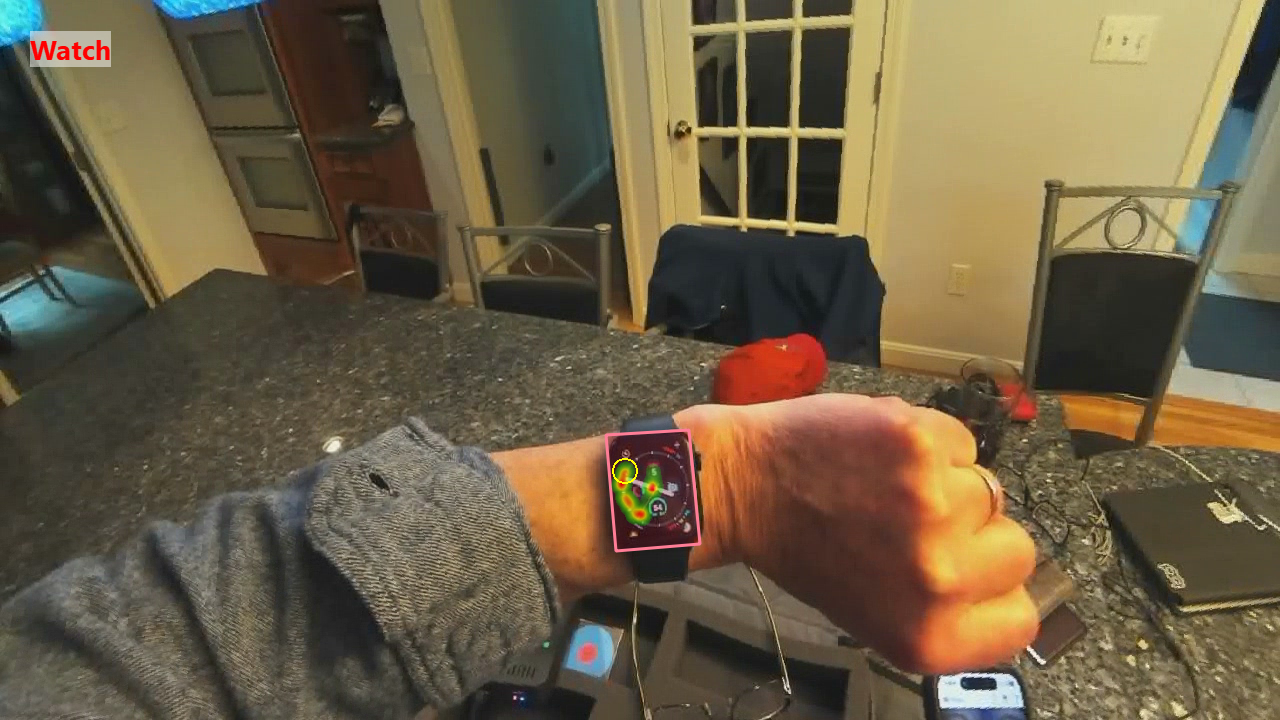
ETAnalysis turns eye movement into fixations on named objects and measured behavior. It is also where you teach ETVision to recognize your objects, so the meaning arrives live, not after the study.
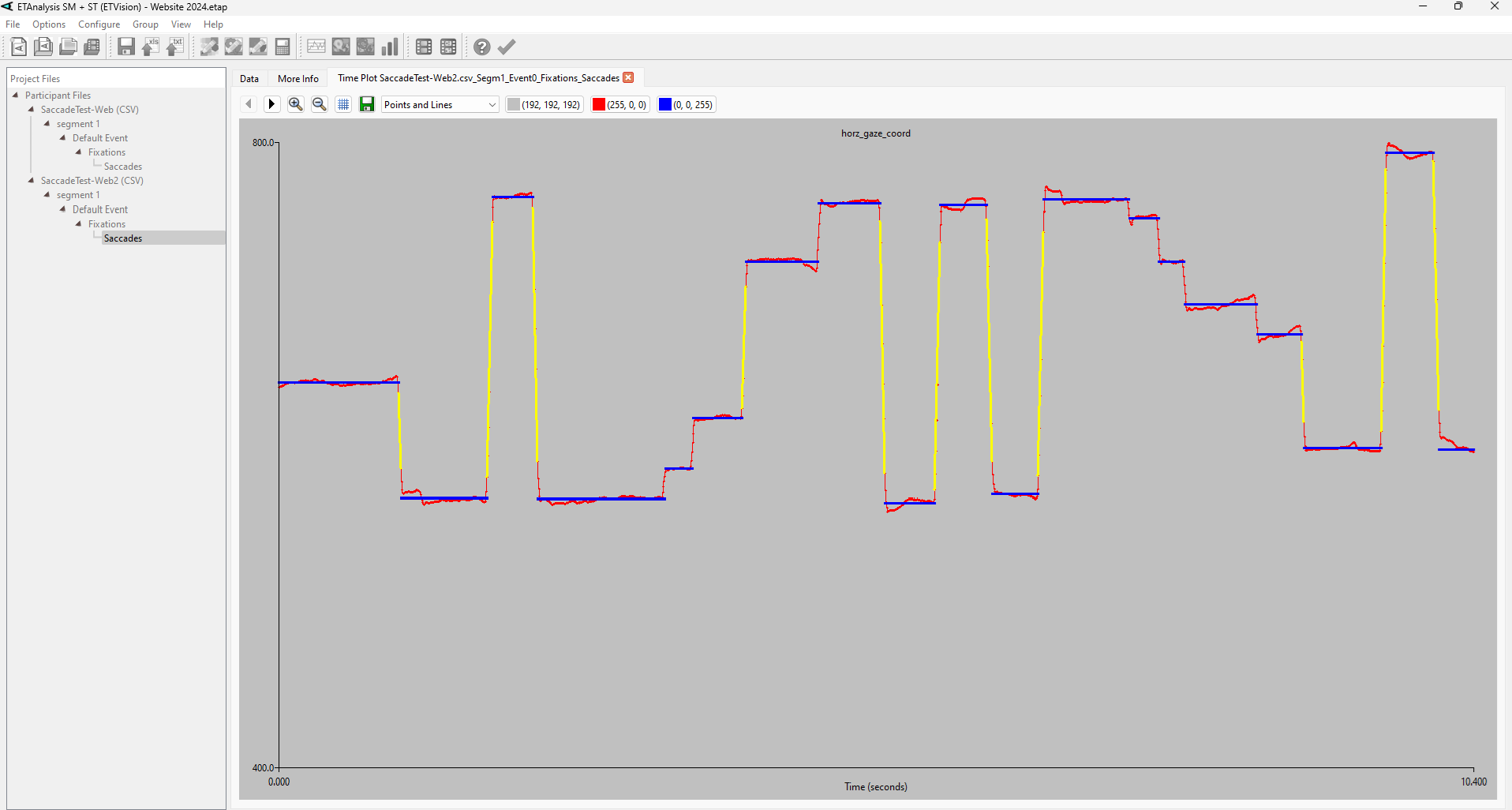
ETAnalysis processes and analyzes data from Argus Science eye trackers. Our engineers combined four decades in the field with researcher feedback to build a versatile tool that fits a wide range of studies. A free trial is available on request.
ETAnalysis is the training ground for AI object detection: define your objects with moving areas of interest, and the AIObjectTraining module turns them into a custom model that runs live on ETVision. The full story is on the AI LMOT page.
Reduce gaze data to fixations and saccades. Compute fixation durations and positions, and saccade amplitude, duration, and peak velocity.
Define areas of interest, including moving ones. Auto-track scene objects to create moving AOIs. Find dwells and AOI statistics.
Time plots, X/Y plots over images or videos, heat maps, bar charts, and scan paths. A swarm display overlays gaze from many subjects at once.
Combine results across trials or subjects by averaging or pooling. Blink frequency and pupil-diameter statistics over any period.
Export to Excel or ASCII text for custom analysis. Record full-resolution playback of gaze over the original presentation.
AIObjectTraining creates custom AI models for ETVision. StimTrac analyzes wearable data as if it came from a desk-mounted tracker.
The wearable system underneath it. Both eyes measured independently at 180 Hz, which is what makes vergence a measurement rather than an estimate.
The training side of AI object detection: build custom models from your ETAnalysis project, no ML expertise required.
Seven questions that decide which wearable eye tracker fits a study, including the cases where the answer points elsewhere.
Ask us for the free trial version. We will walk through the workflow with you and answer technical questions.
Request a trial